
"Tanzanian coffee auction"
300 article(s) found

Aromatic Flavor Pure Tanzanian Coffee Flavor, Character, Taste and Manor
Political instability and pest infestation have disrupted Tanzania's coffee industry, leading to a decline in overall coffee levels and instability in quality, which in turn has led to lower prices, which usually result in further declines in the coffee industry. More notably, it is estimated that from 1969 to 1985 more than 12 per cent of the Arabica coffee grown in northern Tanzania was lost.

Characteristics of fine Tanzanian coffee Merushan coffee beans Tanzania coffee profile
Political instability and pest infestation have disrupted Tanzania's coffee industry, leading to a decline in overall coffee levels and instability in quality, which in turn has led to lower prices, which usually result in further declines in the coffee industry. More notably, it is estimated that from 1969 to 1985 more than 12 per cent of Arabica coffee grown in northern Tanzania

Introduction to the roasting method of Tanzanian coffee with grade flavor
Professional coffee knowledge exchange more coffee bean information please follow the coffee workshop (Wechat official account cafe_style) Tanzania coffee's sweet citrus fruit aroma and taste make you feel the flavor of orange and grapefruit. In fact, Tanzanian coffee is very similar to Kenyan coffee. The two kinds of coffee also exude African acidity and citrus aroma. And Tanzanian coffee is even more unique.

Coffee bean-shaped berry coffee in Tanzania the market for Tanzanian coffee
Despite well-known problems and the quality of coffee fluctuating from time to time, Haiti still tries to produce some high-quality coffee. Most of the coffee produced in Haiti is grown in pure natural form, which is not intentional but the result of material shortage.

Characteristics of Tanzanian coffee flavor of Tanzania coffee
Due to political instability and rampant diseases and insect pests, the coffee industry in Tanzania has been damaged, leading to a decline in the overall level of coffee and instability in quality, which in turn lead to lower prices, which are usually the result of a further decline in the coffee industry. What's more, it is estimated that more than 12% of the Arabica coffee grown in northern Tanzania from 1969 to 1985 has gone.

Characteristics of Tanzanian coffee flavor of Tanzania coffee
Due to political instability and rampant diseases and insect pests, the coffee industry in Tanzania has been damaged, leading to a decline in the overall level of coffee and instability in quality, which in turn lead to lower prices, which are usually the result of a further decline in the coffee industry. What's more, it is estimated that more than 12% of the Arabica coffee grown in northern Tanzania from 1969 to 1985 has gone.

Characteristics of Tanzanian coffee flavor of Tanzania coffee
Due to political instability and rampant diseases and insect pests, the coffee industry in Tanzania has been damaged, leading to a decline in the overall level of coffee and instability in quality, which in turn lead to lower prices, which are usually the result of a further decline in the coffee industry. What's more, it is estimated that more than 12% of the Arabica coffee grown in northern Tanzania from 1969 to 1985 has gone.

Characteristics of Tanzanian coffee beans Tanzania coffee bean flavor Tanzania coffee bean producing area
Gourmet coffee has soft acidity and attractive aroma, which is absolutely worth enjoying. Coffee exports from Tanzania (Tanzania) play an important role in the whole national economy. Bean-shaped berry coffee is very productive and is said to be more fragrant than ordinary coffee. Generally speaking, the coffee beans in Tanzania have an extraordinary quality. For example, in the neighborhood of Kilimanj

Pure and fragrant Tanzanian coffee flavor, characteristics, taste and manor
Due to political instability and rampant diseases and insect pests, the coffee industry in Tanzania has been damaged, leading to a decline in the overall level of coffee and instability in quality, which in turn lead to lower prices, which are usually the result of a further decline in the coffee industry. What's more, it is estimated that more than 12% of the Arabica coffee grown in northern Tanzania from 1969 to 1985 has gone.

Fragrant and pure Tanzanian coffee flavor, characteristics, taste and manor
Due to political instability and rampant diseases and insect pests, the coffee industry in Tanzania has been damaged, leading to a decline in the overall level of coffee and instability in quality, which in turn lead to lower prices, which are usually the result of a further decline in the coffee industry. What's more, it is estimated that more than 12% of the Arabica coffee grown in northern Tanzania from 1969 to 1985 has gone.

Fragrant flavor pure Tanzanian coffee flavor, characteristics, taste and manor
Due to political instability and rampant diseases and insect pests, the coffee industry in Tanzania has been damaged, leading to a decline in the overall level of coffee and instability in quality, which in turn lead to lower prices, which are usually the result of a further decline in the coffee industry. What's more, it is estimated that more than 12% of the Arabica coffee grown in northern Tanzania from 1969 to 1985 has gone.

Pure flavor, fragrant Tanzanian coffee flavor, characteristics, taste and manor introduction
Due to political instability and rampant diseases and insect pests, the coffee industry in Tanzania has been damaged, leading to a decline in the overall level of coffee and instability in quality, which in turn lead to lower prices, which are usually the result of a further decline in the coffee industry. What's more, it is estimated that more than 12% of the Arabica coffee grown in northern Tanzania from 1969 to 1985 has gone.

Introduction to the taste of varieties produced by the grindability treatment of Tanzanian coffee with pure flavor
Coffee production in Tanzania: coffee bean-shaped berry coffee in Tanzania produces a lot of coffee and is said to be more fragrant than ordinary coffee. Generally speaking, coffee beans in Tanzania have extraordinary quality. For example, the fine Tanzanian AA AA coffee (ChaggaAA), produced in the Moshi area near Mount Kilimanjaro, is full with its grains.

Introduction to the Global Coffee growers-- the characteristics of Tanzanian Coffee
Due to political instability and rampant diseases and insect pests, the coffee industry in Tanzania has been damaged, leading to a decline in the overall level of coffee and instability in quality, which in turn lead to lower prices, which are usually the result of a further decline in the coffee industry. What's more, it is estimated that more than 12% of the Arabica coffee grown in northern Tanzania from 1969 to 1985 was smuggled.

With soft acidity and attractive aroma, Tanzanian gourmet coffee is an absolutely worthwhile African essence.
Gourmet coffee has soft acidity and attractive aroma, which is absolutely worth enjoying. Coffee exports from Tanzania (Tanzania) play an important role in the whole national economy. Bean-shaped berry coffee is very productive and is said to be more fragrant than ordinary coffee. Generally speaking, the coffee beans in Tanzania have an extraordinary quality. For example, in the neighborhood of Kilimanja

Boutique coffee beans from Tanzania introduce the characteristics of Tanzanian coffee
Due to political instability and rampant diseases and insect pests, the coffee industry in Tanzania has been damaged, leading to a decline in the overall level of coffee and instability in quality, which in turn lead to lower prices, which are usually the result of a further decline in the coffee industry. What's more, it is estimated that more than 12% of the Arabica coffee grown in northern Tanzania from 1969 to 1985 was smuggled.
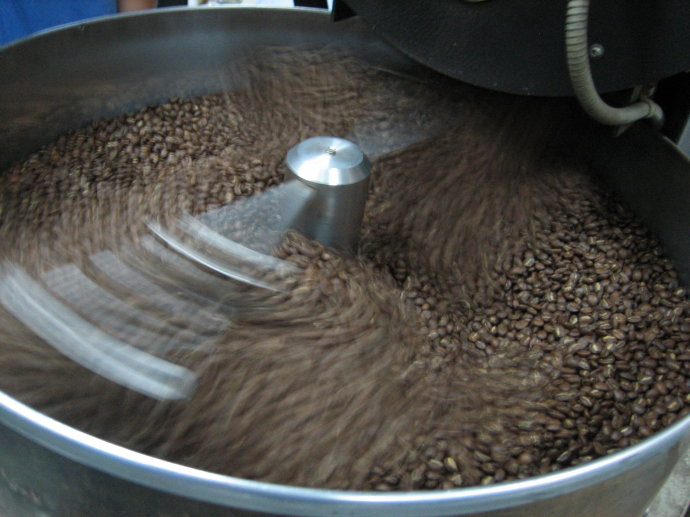
Introduction of pure flavor Tanzanian coffee varieties taste manor boutique coffee beans
Due to political instability and rampant diseases and insect pests, the coffee industry in Tanzania has been damaged, leading to a decline in the overall level of coffee and instability in quality, which in turn lead to lower prices, which are usually the result of a further decline in the coffee industry. What's more, it is estimated that more than 12% of the Arabica coffee grown in northern Tanzania from 1969 to 1985 has gone.

History of Tanzanian Coffee Origin, Characteristics of Tanzanian Coffee
Pay attention to coffee reviews (Weixin Official Accounts vdailycom ) and find that a beautiful cafe opens its own small shop. Tanzania's coffee exports play an important role in the entire national economy. In the past, Tanzania's coffee industry has been dominated by plantation cultivation, but now more than 85% is cultivated by smallholders. Many small farmers form cooperatives, the most important of which
Tanzania Coffee introduces the characteristics of Tanzanian Coffee Tanzania Coffee quality Tanzania
Due to political instability and rampant diseases and insect pests, the coffee industry in Tanzania has been damaged, leading to a decline in the overall level of coffee and instability in quality, which in turn lead to lower prices, which are usually the result of a further decline in the coffee industry. What's more, it is estimated that more than 12% of the Arabica coffee grown in northern Tanzania from 1969 to 1985 was smuggled.

Characteristics of Tanzania coffee beans Flavor description Taste treatment Introduction
Tanzania coffee market: Tanzania coffee exports occupy an important position in the entire national economy. In the past, Tanzania's coffee industry has been dominated by plantation cultivation, but now more than 85% is cultivated by smallholders. Many small farmers form cooperative organizations, the most important of which